
Part 1: What Lingers After the Storm
This post is the first in a series on religious trauma and spiritual abuse.
Because of the complexity of these topics, trying to address everything in a single sitting can be overwhelming. As a survivor, writing about these subjects requires care and intention. It has taken me longer than I planned to write these posts, and at times, I have found myself overwhelmed. There have been days when I’ve considered giving up on the project, or at least putting it on hold for a while.
Yet, I know how important this topic is to me and how difficult it was to find help when I needed it. That is why I am writing here on Substack, and why I’m working on other resources to help other religious trauma survivors navigate the healing process and reclaim their lives.
The Lasting Impact of Religious Trauma
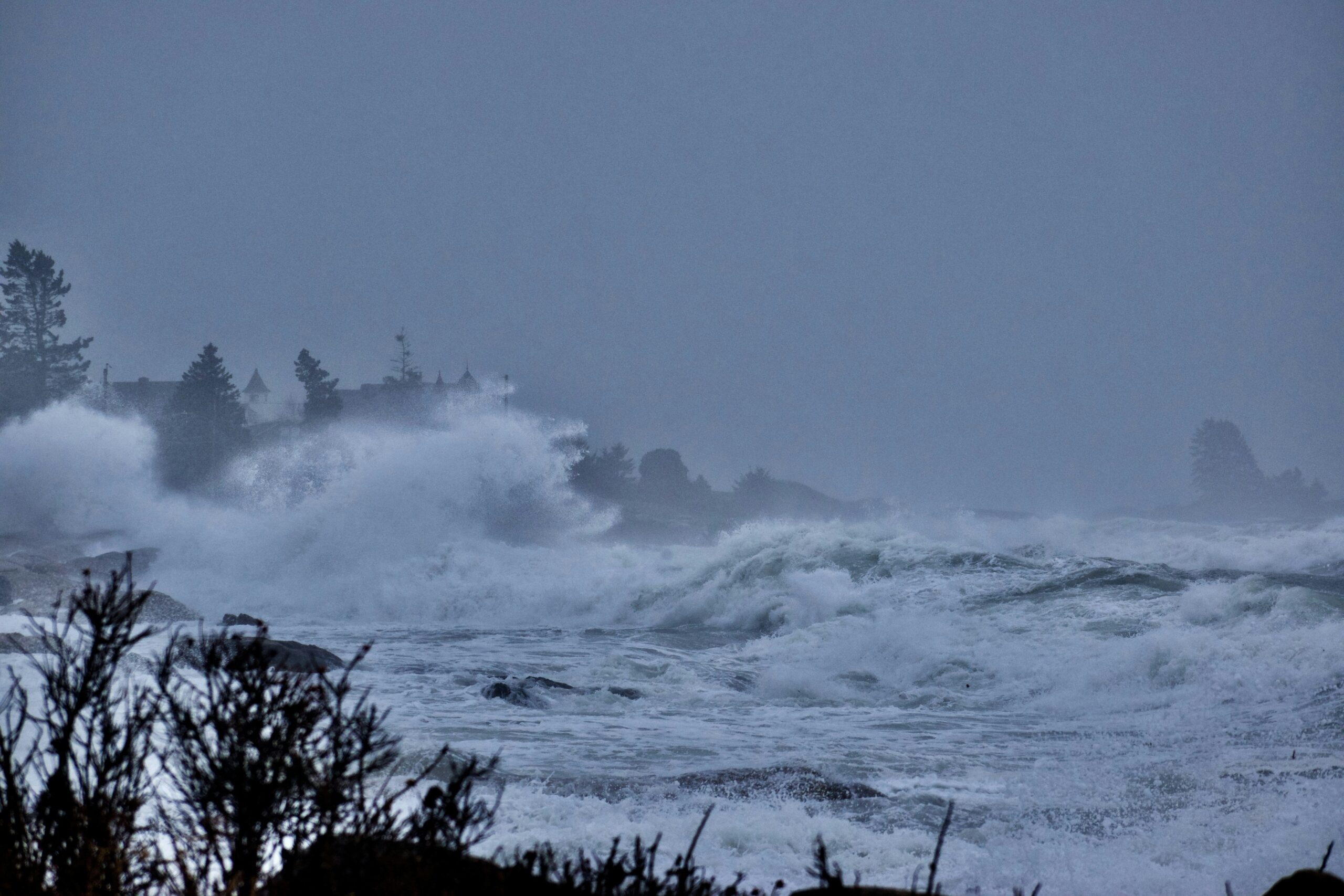
The effects of religious trauma are deeply impactful, sweeping through every part of our lives like a category five hurricane, uprooting and demolishing foundations that once felt unshakeable and leaving chaos and destruction in its wake. Just as the destruction from a massive hurricane lingers long after the storm has passed, the aftermath of religious trauma can persist for years or decades as we rebuild our lives from the ground up.
After religious trauma, things that once brought us joy, like entering or driving past a church, hearing a once-beloved worship song on the radio, or seeing a verse image on social media, can spark intense adverse reactions. Anxiety, panic, dissociation, a racing heart, or other fight/flight/freeze/fawn responses are common when something reminds us of past harm. After escaping religious trauma, many people don’t understand what is happening in their own bodies and, as such, find it difficult to explain to others.
These responses are not a sign of weakness or lack of faith. They are normal trauma responses and evidence that your nervous system is trying to protect you from further harm.
What Is Religious Trauma?
Religious trauma is often minimized with phrases like “church hurt” or spiritual platitudes meant to shame people back into unsafe environments. Scripture is frequently used to gaslight, manipulate, and victim-blame. Survivors are told to forgive and move on because “no church is perfect,” and when they cannot, they are labeled bitter, divisive, or unforgiving. This minimization by communities and leaders invalidates pain and perpetuates harm, making it even more difficult for survivors to recognize and heal from religious trauma.
Yet, religious trauma is real and long-lasting. While a single incident can cause deep harm, more often, religious trauma results from prolonged exposure to damaging theology and practices. The exploitation of power dynamics within faith communities can fundamentally alter how we see ourselves, the world, and God.
To those who have not experienced religious trauma (or haven’t yet recognized it in their own lives), the term may bring to mind the worst, most publicized cases like Jonestown or the Branch Davidians. In reality, religious trauma is far more widespread. One study concluded that as many as a third of adults in the United States have experienced religious trauma at some point, and up to one in five may currently be experiencing significant symptoms. These numbers don’t do justice to individual stories, but they do remind us that this kind of harm is far from rare.
The prevalence of religious trauma is sustained by environments where harmful behaviors are normalized and where those in power are rarely held accountable. Even well-meaning pastors who lack training in power dynamics, trauma, and boundaries can unintentionally perpetuate cycles of harm. When leaders underestimate their influence and prioritize reputation or unity over the well-being of individuals, trauma can spread quietly and persistently.
What Is Spiritual Abuse?
Spiritual abuse is one of the primary causes of religious trauma. It can occur in religious settings or within personal relationships. When a person in a position of power uses their spiritual authority combined with a person’s faith (including religious beliefs, texts, or practices) to manipulate, control, shame, exploit, or silence someone, spiritual abuse has occurred.
While spiritual abuse is sometimes obvious, it can also be more covert. Patterns of small comments intended to shame, a culture of secrecy around leadership, and church policies (either explicit or implicit) that protect those in power are all signs of covert spiritual abuse.
Many survivors don’t recognize spiritual abuse until much later, because it was normalized, justified, or disguised as pastoral care.
Note: Spiritual abuse takes many forms, and we’ll explore several of them in Part 2 of this series.
Your Experience Matters
If you can relate to what I’ve written here and feel a little unsettled by it, I want you to know you aren’t alone. Religious trauma and spiritual abuse can be difficult to recognize. So many of us spent years being conditioned to dismiss that inner voice that told us something was wrong. We never wanted to see harm in our faith communities. We just wanted them to be safe places where we could love Jesus and our neighbors. But eventually, we started seeing or experiencing things we could no longer deny, and it felt like a betrayal of everything that mattered.
It takes courage to admit you’ve been abused, so if you feel a heaviness you can’t explain, please know this is a very normal response to things that should have never happened to you. You are not broken for feeling this way. You are human, and for now, it’s enough to simply be honest about the pain you’ve experienced. Naming harm you suffered at the hands of spiritual leaders is not bitterness or rebellion or a lack of faith. It is the first step toward healing.
More to Come
In the next post, I’ll take a closer look at spiritual abuse, including some examples of what it can look like. We’ll discuss why it is so often overlooked or explained away, and how it can become part of what feels like normal church life. I want to talk about both the obvious and the hidden ways abuse happens, and why so many of us only recognize it long after we have left.
My hope for these posts is to make space for truth, dignity, and care for those who have been affected by spiritual abuse and religious trauma. If you’ve been carrying trauma from faith spaces that were meant to be safe, I hope you’ll come back for the rest of the series. We’re in this together.
This post is the first in a series on religious trauma and spiritual abuse. If you’d like to continue, Part 2 explores common patterns of spiritual abuse and how they often hide in faith communities. After the Storm: Naming Spiritual Abuse